Our Blogs
Whats new in the medical field aroud the globe? Stay in touch through Mednise Blogs
Benefits of Citron
INTROTib-E-Nabwi is a book
that talks about how the medical system was during Prophet Mohammed (SAW) time.
This book contains advices regarding sickness, physical health, hygiene and
healing practices from that time. Our first topic is on Citron.Citron is a hybrid cross fruit which is formed from
the crossing of citron and bitter orange. Its actual name is Citron Medica and
it belongs from the citrus species. Citron has many benefits, it consists of 4
main components, its peel (skin), seed, pulp (heart), and juice. Tib-E-Nabwi explains
and talks about the health and general benefits of these components. ·
Pulp Now
if we talk about the pulp, the heart of this fruit, its effect is cold and dry
from which a sour juice is made which is beneficial for warm stomach and it’s said to be very healthy for the heart as well. In order to make this juice you
would need to follow these simple easy rules: 1. Firstly,
dry the pulp most recommended sun dry it since back in Prophet Mohammed (SAW) natural
resources were used.2. Secondly,
crush the dried-up pulp either using a mortar and pestle or a food processer in
order to get into a powder form.3. After obtaining it in powder form,
take 1 and a half tablespoons of the powder and thoroughly mix it with
room temperature water, and you will have the juice ready. This
drink also helps with acidic problems, it quenches the thirst and also makes
one feel hungry when you don’t feel like
eating. It helps with gastric problems and if you have an infection in your
stomach then it instantly helps with the aches and is super beneficial during that
time. The pulp also helps with removal of stubborn stains when form on the clothes
and removes the yellowness from the face,The
inner peel, seed, and leave/flower have many benefits as well. All three of
them have a hot and dry effect and have the power of a antidote.· Seed The powder of the see is beneficial for all
kinds of deadly poison. Crushing the seed into a powder form and then taking 2
pinch of the powder and mix it with an equal amount of water to form paste and
apply it on the affected area, that would help with relieving the pain from the
poisonous bite.· Skin
(Inner Peel) A paste made from the inner peel of
citron helps with taste development. When taken with a small teaspoon of water,
it can also help with hunger. Additionally, it is very beneficial for colic.· Leave/Flower The
scent of the leave or flower cures anxiety and helps with grief and pain. It is
also used in soaps, and candles.
In conclusion, Citron has
immense medical and spiritual qualities that were used for centuries. From
aiding digestion and boosting the immune system to calming anxiety. The
importance of this fruit was quoted by Prophet Mohammed (SAW) teachings as to
how this fruit can be used as natural remedy, which made managing health easy during
those times and even till this date.
Benefits of Watermelon Musk Melon
.... Intro Tib-E-Nabwi is a book
that talks about how the medical system was during Prophet Mohammed (SAW) time.
This book contains advices regarding sickness, physical health, hygiene and
healing practices from that time. Our second topic is on Watermelon Musk Melon.Watermelon Musk Melon Watermelon, a refreshing
and nutritious fruit has been a major staple fruit in many cultures for
centuries. Not only is it a delicious and nutritious fruit but it also has many
health benefits. In Arabic, watermelon is
called Bathikh and there are 2 types of melon: 1. Green water melon 2. Yellow melon Green melon has cold
effects and while yellow melon has hot effects. Yellow melon is excessive sweet
in nature and thus it increases the heat, and since it also has some cooling
effects it quenches the thirst and helps with bile. Because it has natural
preservatives, it acts as a digestive laxative. The pulp of the melon is also great when applied on the face since it contains Vitamin C, Vitamin A and
Vitamin B2. You can crush a small piece of the pulp and apply the paste on your face and leave it for 3-5 mins and then rinse off. How Prophet Mohammed
(SAW) used to consume watermelon as stated in Tib-E-Nabawi:Prophet Mohammed (SAW)
used to eat watermelon with ripen dates to neutralize hot potency with cold
potency. Prophet Mohammed (SAW) used to eat watermelon on empty stomach since
it cleans the stomach and removes diseases. Benefit of Melon Seed: · The seed of the melon helps in spot
removal from the skin. Now you may think how can we use a seed for a skin
treatment. Well just by following these simple steps. 1. Separate
the seeds from the watermelon and sun dry them for few hours approx. 2-4 hours.2. After
they are dried, grind a handful amount into fine powder form and then store
them in a container.3. Add
a tablespoon of the powder in yogurt or honey to make a paste and then apply
the paste on your face and leave it for 15-20 mins. Then rinse off with luke
warm water. · Watermelon seeds also help in breaking
kidney and bladder stones. It’s said that those who
consume watermelon they should eat food afterwards. If not, then their eye
sight will be weak and other health issues will arise as well, so it’s better
to be safe than sorry. There are many other
benefits of Watermelon such as:1. It
reduces swelling in the abdomen.2. Reduces
constipation3. It’s
beneficial for the kidney and also increases urine output.4. Best
for people who have thyroid issue, and joint issues.5. Good
for pregnancy. Conclusion
Watermelon and melon both
play a very important role when it comes to consumption. Both are beneficial
for the health as well. These fruits were used as natural treatment at the time
of Prophet Mohammed (SAW) therefore such natural methods have always been
beneficial. Whether
eaten fresh, used in ancient medicine, or incorporated into modern health
remedies, these fruits are natural gift that people of all ages enjoy.
Impacts of seasonal change and tips to sta....
Seasonal change, a transition from one season to another
whether it's from winter to spring, spring to summer, summer to fall, or fall
to winter something we are all quite familiar with. However, the impact of
these seasonal changes is not just based on weather, in reality the shifting of
the seasons affects both our physical health and our daily lifestyle. From our
fluctuating moods and energy level to shaping our habits and routines, seasonal
change can have a significant impact on our overall health. But the main
question is, what exactly are the effects of these seasonal changes and how can
we adapt to them to maintain our health and happiness throughout the year.Winter to SpringThe transition from winter to spring is a slow process since
the days are slowly getting longer and warmer. Spring air is filled with the
sweet scent of blooming flowers. However, the transition from winter and spring
can have a significant impact on our physical and mental well- being.Some common effects that occur while the season changes are:●
Allergies: The increase in pollen & mold
triggers allergic reactions such as nasal congestion. If we take Islamabad as
an example, during March and mid-April the pollen saturation in air is a lot
compared to any other city in Pakistan. In March, the pollen count increased to
46,132 per cubic meter which resulted in severe allergic reactions such as
nasal congestion, coughing, flu, headaches and migraines. ●
Mood Changes: Seasonal change affects both the
body and the mind. The transition from colder, darker months to brighter,
warmer days can affect the sleep cycle, trigger mood swings, change routines
and can also change energy levels. Some may feel optimistic and motivated while
others feel restless and irritable. ●
Skin: Seasonal change also affects our
skin health. During winters our skin is mostly dry and rough while when spring
comes our skin gets irritated from the pollen and breakouts. Although spring brings some challenges to our health, it
still offers a new beginning to life. There are some tips that one can follow
in order to stay healthy. ●
Taking care of diet: It is important to plan healthy and
nutritious meals that would strengthen our immune system and protect us from
mild diseases such as flu. ●
Staying active: Since warmer days arrive, it's
better to get out and go either for a stroll or a light jog and enjoy nature as
flowers start blooming during those times. This can help reduce stress and
elevate our mood. ●
Skin protection: As our exposure to the sun
increases, it's important to apply sunscreen on our skin and drink enough water
to keep our skin hydrated. ●
Sleep: Getting at least 7 to 8 hours of
sleep will not only help regulate our nervous system but will also help with
fatigue and tiredness. Conclusion
As winter starts to fade away and spring begins, cold days
and night slowly warms up bringing a new change. While spring arrival can
trigger allergies and mild mood swings due to hormonal fluctuations but it also
marks a fresh start. This seasonal shift is a perfect opportunity to prioritize
self-care, boost our immune system and embrace this new beginning that spring
brings.
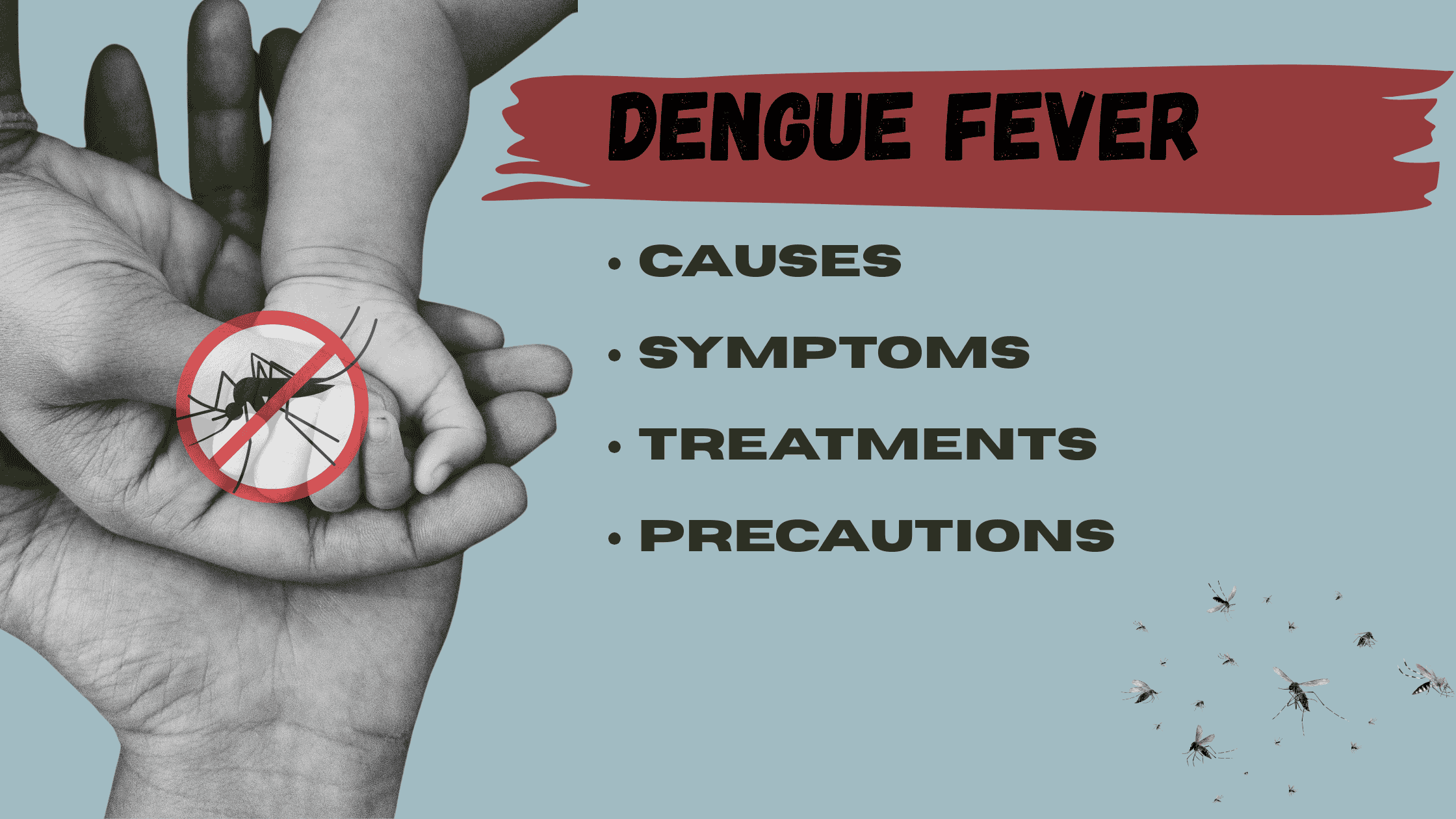
What is Dengue Fever and How you can preve....
The “zzzzzz” season is here aka
mosquito season. Mosquito’s come out when summers are near and spring is almost
done mostly starting from April. This season brings various health issues and
‘Dengue Fever’ is one of them. Dengue
fever is an infection that is spread by female mosquitoes and even though is
not serious and people do get better but some dengue cases are severe and you
would get to know why and how. Dengue is an infection that is
transmitted to the humans through the bite from an infected female mosquito.
Its mainly found in tropical and sub-tropical areas and mostly in urban areas
and villages. Its mostly found on clean water either on a flower pot or water
containers because that’s their breeding spot and they lay out eggs there. Most of the time those who get dengue normally
do not show any symptoms but those who do they experience · High Fever · Body-ache · Nausea · RashesMostly it takes 1-2 weeks to recover
from dengue but some might need extra care from the hospital. SymptomsAs said most people with dengue have mild to
zero symptoms shown and normally, they do get better in 1-2 weeks however some
cases it can be severe and it can lead to death. If symptoms occur, normally the duration begins
from 4-10 days and lasts for 7 days and these symptoms occur: · High fever (100-102 ℉) · Headache · Muscle pain · Nausea · Rashes · Swollen Lymph nodes While those patients whom get infected for the
second time are at more risk and can lead to a fatal death and the symptoms
often come after the fever is gone. Such as: · Severe abdominal pain · Persistent vomiting · Shortness of breath · Nose bleeding · Dizziness · Blood in stool · Dehydration · Pale and cold skin Now
individuals with these symptoms need immediate medical attention as any delay
can lead to death. After
recovery, people feel tired for several week and experience weakness.What causes Dengue Fever?Dengue fever is caused when an
infected mosquito with dengue virus bites one individual, the virus then enters
the blood-stream and multiplies. The virus can destroy blood parts and
then form clots. If dengue isn’t treated
at time then it can lead to Dengue shock syndrome, which can lead to multiple
organ fails and that can lead to death.Is Dengue Fever contagious?Dengue fever is not contagious. The
only way a dengue virus can be spread to another human being is when a pregnant
woman is infected and the virus is passed to the baby during pregnancy or
child-birth. History of Dengue Fever in Pakistan The first ever dengue out-break in
Pakistan was in 1994 but if we talk about when the worst case arose then it was
in 2019, where more than 30,000 cases were reported and 47 fatalities, marking
it as the worst outbreak in the country’s history. As for today, 7 cases were reported
and 9 cases got hospitalized but are at a stable condition. Mostly, 10-19 years
old are getting affected. TreatmentManaging the symptom of this dengue
fever is only by the recommendation of your Healthcare provider. Some treatments that are mostly
encouraged are: · Keeping yourself hydrated by drinking
plenty of water and fluids. · Rest as much as possible. · Take pain killers as prescribed by
your Physician. · Eat nutritious meals If any of the symptoms of Dengue show
up, do consult your doctor and get your test’s done which includes CBC, Dengue
NS1 IGM and IGG.PreventionSince there is no vaccination of Dengue in Pakistan,
its best to take preventive measures against Dengue. 1. Regularly drain and clean any water
containers, flower pots, vases or anything that can hold fluid as these are the
main breeding areas of the mosquitos. 2. Use mosquito repellents, especially
during the day. 3. Wear long-sleeved clothing and avoid
wearing dark clothes as they attract mosquitoes. 4. Install mosquito nets at your home
for protection. 5. Always stay informed about the Dengue
outbreak through health authorities. ConclusionDengue Fever is always a threat especially
in Karachi, Pakistan. With its recurring outbreaks, increasing of cases and
lack of proper treatment can be crucial. If any of the symptoms ever arise, do
not hesitate while contacting your nearest Family physician, its always to be
careful and take preventive measures when it comes to this disease and get
timely treated. If you ever get infected, do book
your appointment at Mednise, we have expert General physician whom can help you
get cured and treat you to through their best expertise.
What is TB ? And why does it affect the hu....
TB is one of the major public health problems in Pakistan, with the country ranking 5th among TB high-burden countries worldwide. WHO recommended DOTS strategy that was piloted in 1995 in Pakistan.Tuberculosis (TB) is caused by a bacterium called Mycobacterium tuberculosis. TB bacteria are spread through the air from one person to another. Tuberculosis is a highly contagious infection, which can be easily transmitted to any other person by tiny droplets that are infected and they are generated by coughing or sneezing that patient has active pulmonary Tuberculosis disease. These tiny droplets dry rapidly, and attach themselves to fine dust particles and the smallest of them may remain suspended in the air for several hours.While not everyone exposed to the bacterium becomes infected nor does everybody infected with it develop clinical symptoms. The chance of becoming infected depends mainly on the quantity of the infected droplets in air, and the length of exposure to an infectious person. The closer the infectious person is, and the longer the length of exposure, the higher the risk is being infected. When a person breathes in TB bacteria, the bacteria can settle in the lungs and begin to grow.Tuberculosis spreads from the primary lung lesion to the other parts of the body via the bloodstream, and this way may affect any organ in the body. Many people who have latent TB infection never develop disease. Some people develop TB disease soon after becoming infected within weeks before their immune system can fight the TB bacteria. Other people may get sick years later when their immune system becomes weak for another reason. For people whose immune systems are weak, especially those with HIV infection, the risk of developing TB disease is much higher than for people with normal immune systems.SymptomsTB bacteria usually grow in the lungs. TB disease in the lungs may cause symptoms such as:Cough more than two or more weeksPain in the chestCoughing up blood or phlegmOther symptoms of TB disease are: Weakness or fatigueWeight lossReduced appetiteChillsFeverSweating at nightChildren less than 5 years of age who have a positive tuberculin test group with high rates of TB transmission.TreatmentIf you have following symptoms visit your health consultant for your sputum test and chest x-raysTo improve TB control, patient with active TB disease must be diagnosed quickly and treated immediately. Its important to take care of your diet during these times in order not to feel more weak and keep drinking warm fluids.PreventingPreventing Tuberculosis (TB) requires a combination of individual and community efforts. Here are some preventive measures:Individual Measures: 1. Vaccination: BCG (Bacillus Calmette-Guérin) vaccine for children and high-risk groups. 2. Avoid close contact: With people having active TB. 3. Good hygiene: Cover mouth and nose when coughing or sneezing. 4. Healthy lifestyle: Balanced diet, regular exercise, and adequate sleep. 5. Screening: Regular TB screening for high-risk groups (e.g., healthcare workers).NOTE:If you have any symptoms or your health is deteriorating, then do visit a General physician and take care of your health at the right time. You can also book your appointment at Mednise with the physician present here.
Screen Time for Toddlers: Setting Healthy ....
Screen Time for Toddlers: Setting Healthy Limits By Dr. Ayesha (Food Scientist) Hello moms, dads, and parents, I'm Dr. Ayesha, a food scientist. Today, let’s tackle one of the most important concerns for families: “screen time for toddlers”. Many parents wonder how much is too much and how to set healthy, practical limits that truly work. Excessive screen time has been linked to delayed speech, poor sleep, picky eating, and challenges with self-control and nerve health. A common issue is “blind eating,” when children eat without realizing it while watching screens. In this blog, I'll explain blind eating and share how you can set healthy screen boundaries for your toddler. Research and Screen Time: Research shows that screen time matters a lot. The American Academy of Pediatrics recommends that toddlers under 2 years have no screen time, allowing them only for family video calls, not more than this. From 2-5 years old, just 1 hour of high-quality content per day under the supervision of an adult. As a mom of a 3-year-old toddler, when I learned about this research, I was so guilty and depressed because my toddler's screen time is too much, and how badly her health is going to be affected. Now I understand the things I was worried about and go through, like her behaviour, no focus, picky eater, yelling, crying all the time , social difficulties, and sleep problems. Before I go on to write about the solution, what I did and applied to my toddler, I see a very positive change, and how I set a healthy screen limit. So, Moms, I am writing for you. First, I will explain about blind eating in toddlers. What is Blind Eating? When your toddler does not agree to eat the meal, and moms think during the toddler's screen time, I will feed the toddler. It's more relaxing and easier to feed, and the toddler eats too much during this time, so moms, this is called blind eating. “When toddlers watch YouTube and cartoons while eating, they are eating without paying attention to what they are eating. This is called blind eating.” After some time, blind eating weakens the nerve signals that are responsible for hunger signals and, in this way, increases the risk of childhood obesity. That's why screen-free meal time is so important for your toddler's nerve health. How to Set the Healthy Screen Limit: Practical Tips Every Mom Can Try: Practical tips to set a Healthy screen limit: • No screen time under 2 years old toddlers except for family video calls. • When–then rule: if you will do this, I will do this. When u finish your food, then I will switch on the TV for you• Set a visual timer alarm: before switching on the TV, first you need to talk with the toddler about when the alarm music will play, and you will switch off the TV, okay? when the toddler said Okay, done. Then switched on the TV. Moms, you can set an alarm for 20 minutes on your mobile phone. • Swap screen with play activity: keep a block, stickers, and baskets filled with colours ready to pull out instead of the screen. • Mealtime conversation: talk about the food that the toddler has on their plate. • No screen before bed: no screen at least 1 hour before sleep time. • Watch together: sit with your child when the screen is on and talk and ask questions about the cartoon that the toddler is watching to make it interactive. • Be the role model: don’t use your own phone in front of a toddler, especially during mealtime. Moms, I encourage you to implement these tips. Positive change is absolutely possible for your toddler. Stay committed and consistent, and you will see results. Good luck, and remember, you have the strength to make a difference. Different studies show that early screen addiction affects brain regions that link with self-control. A toddler with more than 2 hours of screen time per day faces behaviour and sleep problems as well. Reading different books with your child or playing and spending time together is more powerful for their learning, even with educational apps. Screen time is not an enemy, but an excess of everything is bad, so moms, please use the screen as a learning tool, not a babysitter. But remember that your child learns more from your words and your actions than from screen content; your presence makes them calm and relaxed.So, next time during mealtime, choose conversation over TV; your presence matters most. Keep believing in yourself. You are doing an incredible job as a parent, and your loving effort makes all the difference. Happy parenting!
MYTHS VS FACTS : DEBUNKING MENSTRUAL CYCLE....
MYTHS VS FACTS :
DEBUNKING 6 MENSTRUAL CYCLE
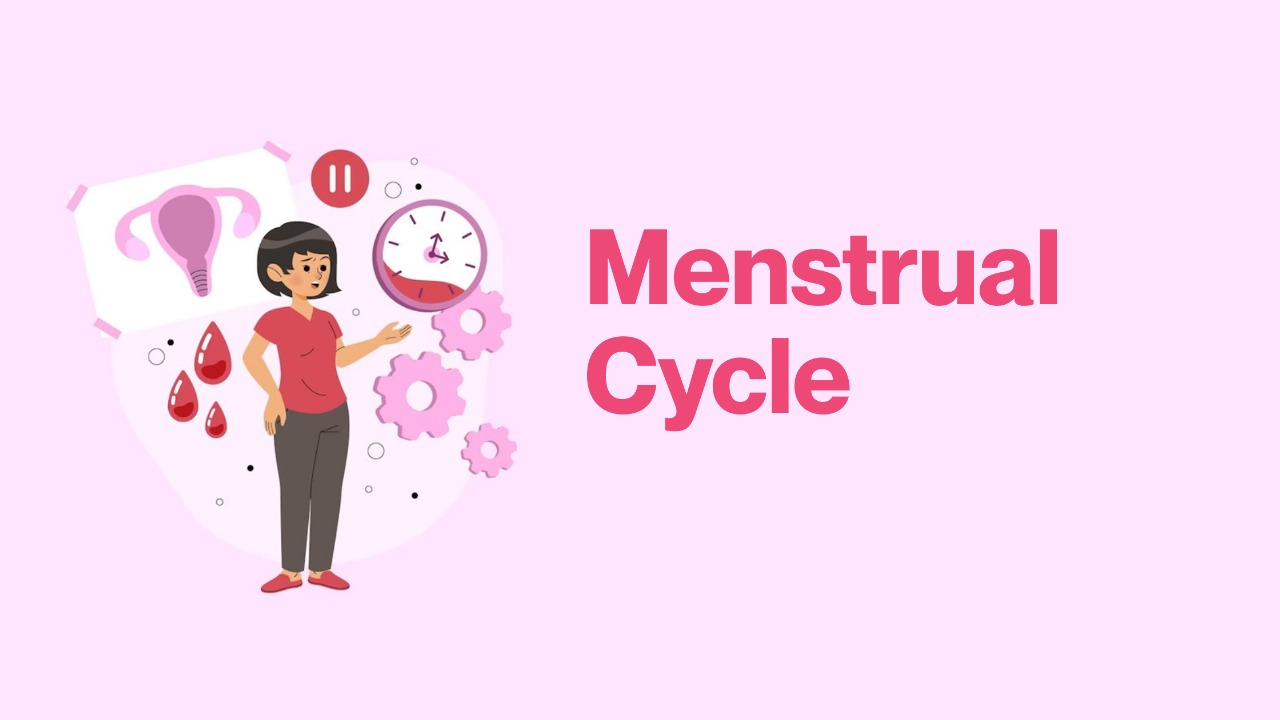
MYTHS We’ve all been there where we have gotten our first menstrual cycle, or more known as “PERIOD”. What’s surprising is that in today’s fast-paced society, we still have so many misconceptions and myths surrounding “Periods” as if we still view them with a backward point of view. An average girl gets her period around the ages of 12 to 15, but can also get it as early as 8 years old, but that’s not the concerning part. You're already uncomfortable with this new change happening in your body, but to top it off, you have all these NEW restrictions and facts, mostly myths, that make you question this new change, whether it’s to be celebrated or to be ashamed of. But not any longer, let’s break down some of the most common myths and replace them with facts. WHAT IS A MENSTRUAL CYCLE?The female reproductive system undergoes a cyclic change which is known as menstrual cycle. The menstrual cycle involves thickening of the uterus lining, the release of an egg from the ovary and if the egg is not fertilized by a sperm, then the shedding of the uterus line occurs which is known as Period. These cycles are concurrent and coordinated, which normally last between 21 and 35 days, with a medium length of 28 days. Usually occurs around the age of 12 years; menstrual cycle continues for about 30–45 years and then they enter menopause. - MYTH NO.1: You cannot take showers in the early days of periods.It is believed that taking a bath on your
periods causes muscle weakening around the pelvic and uterus. Resulting in
light period flow and more pain. These claims have no scientific grounds INFACT it
is recommended to take a warm bath on your periods as it soothes the
pain. Research shows that bathing actually relaxes the uterus muscle and
reduces period pain.- MYTH NO.2: Exercise is harmful during periods.GIRLS are told to avoid exercise or laborious activity. As it can negatively impact the body and menstrual flow but the reality is completely different. Light exercise such as yoga or walking is okay to do, in fact exercise can increase the production of endorphins (feel-good hormones) and reduce anxiety, depression, and menstrual cycle cramps helping improve control on our mood swings. What we should avoid is heavy workout such as heavy lifting, cycling and strength demanding exercise.- MYTH NO.3: Eating sour food or cold drinks will worsen cramps.Being warned from eating certain foods such as yogurt, cold food, and sour food on the base of them being harmful. That is far from the truth, there is no medical evidence that consuming any type of food is harmful during menstrual cycle.- MYTH NO.4: Severe pain is normal.Period pain is often dismissed as a “normal part of being a woman”. Girls are often told to tolerate it quietly, to the point where they aren’t even allowed to take painkiller (believing it might cause fertility issues). But severe pain to the point where it is unbearable where you are vomiting, shivering, and being unconscious is something which needs medical attention and even on normal pain which seems unbearable can take painkillers.- MYTH NO.5: Periods are shameful.People often say they’re not ashamed of periods, yet still use code words/cover up phares to talk about them such as “The time of the month, Auntie flo, The red sea, and many more phrase. But why, why do we still feel reluctant mentioning anything about menstrual cycle, why does it still feel like reaching a taboo topic. It is anything but something to feel shameful about, it is a natural part of a women’s body in fact it is something to feel proud of. The beginning of one’s womanhood, the sign that you are growing well. It is all because we still feel ashamed mention anything about menstrual cycle. Which is a big concern as many women stay silently bearing their pain when they could be suffering from an illness. So, the change begins with our thoughts and how we perceive things.- MYTH NO.6: Irregular periods are always a sign of health problem.Don’t stress if your periods aren’t always on time, it is normal especially when you’ve just started. Research shows that it might take up to 2 years for Oestrogen, Progesterone levels and periods to settle. If you are older, it is normal to have irregular periods before menopause, plus the menstrual blood can vary from one period to another, like your last period might have had a heaver flow then your resent one. But irregular period can also be caused by and underlying health conditions such as:pelvic inflammatory disease, which is an infection caused in the fallopian tubes.fibroids , are a non-cancerous growth that grow in the womb.endometriosis – a long-term (chronic) condition where tissue similar to the lining of the womb is found elsewhere in the body.So, it is better to get yourself checked up if the problem stays for too long. These facts prove that we shouldn’t believe on everything we hear or has been said to us by our elders without fact checking. As a result of these restrictions, countless women and girls have been left to bear their pain silently and with shame. But the truth is simple menstrual cycle are a sign of health and strength. Spreading misinformation without any facts checked will always cause misunderstanding in our society. Periods are a completely normal condition which has its own benefits and the more we replace misinformation with knowledge, the easier it gets for the society to treat menstruation with respect.To book an
appointment with Dr. Razia Akbar a highly respected
medical professional who provides excellent healthcare services. Dr. Razia
specializes in Family medicine, women's health, and ultrasound diagnostics.
With 12 years of experience in this field, Dr. Razia has gained immense
knowledge on patient care and is committed to the latest medical advancements
to ensure that patients receive the most effective care possible. Click on the
link below & book your appointment if you are having any menstrual problems:https://appointment.mednise.com/doctor-profile/19/dr-razia-akbar YouTube video on Menstrual Cycle Myths: https://youtu.be/0PxKd_ubCpQ?si=NOpLnqQ-ren_QvgF
Mental Health Awareness in Children
....Mental Health Awareness in Children
Children's Awareness of Mental Health. Hello, this is Dr. Ayesha. Mom, Dad, and parents, you are
doing great for your kids. As parents, daily we are putting our efforts into doing great for our kids,
like their health, organic food concerns, good clothes, schooling, and everyday necessities. I
always talk about what's best for your health, what's nutritious, what's best for toddlers' health, and
healthy food, but today I'm going to talk about mental health awareness in children. This topic is
as important as healthy food is. You know every behaviour of a child, even crying or smiling, hides
a world of emotions. As parents, we have to pay attention and understand every emotion of our
child and try to find out what's going on inside their little mind and heart.As a toddler mom with a decade of knowledge about food, I believe that a child’s health is not
just about their physical growth but also their mental and emotional well-being. Because of this,
I'm going to write today about raising children's awareness of mental health issues because, in our
culture, we believe that the terms "mental health," "stress," and "anxiety" only apply to adults and
not to infants and young children. Due to the lack of awareness, parents get late in diagnosing their
child's mental health.
First, we need to understand what mental health is in children. It refers to how children feel, think,
and behave in their everyday lives. It's all about the ability to manage stress, learn new skills, and
build relations with their surroundings. Why does it matter? Good mental health is the foundation
of learning, confidence, and emotional strength. Just as strong bones and teeth need calcium, a
strong, healthy mind needs love, affection, support, and awareness. I'll talk to you today about the
early warning signs that parents should look out for. Early warning signs of mental health in
children:
Sudden mood changes:
Research shows that persistent sadness, aggression, and irritability may indicate anxiety or
depression in children. Parents' solution is to talk to your child softly, sit and talk to your child,
and don’t think he/she will not understand what you will talk about, and ask open-ended questions
like, "I noticed you are upset. Do you want me to share what happened?" Spend one-on-one time to build trust. Sleep issues:For all ages, getting enough sleep is the most important part of mental and physical development.
Sleep is just as important as food for children's early years. If your child has good sleep, that's a
good sign. But if not, you need to pay attention. Sleep disturbance is directly linked with emotional
stress and anxiety in children (American Academy of Paediatrics, 2020). Parent solution: maintain
a calming bedtime routine, avoid screens before bed, dim lights, offer a comforting bedtime story,
and cuddle. Loss of interest in studies and play:
A study shows that when children don’t show interest in activities they once enjoyed, it may be a
sign of depression or that the child is emotionally overloaded. Therefore, parent your little efforts,
influence your child's life, and praise and encourage their little activities. In this way, they will
regain interest at their own pace.Frequent physical complaints:
Research shows that children often express stress and their emotions through physical symptoms
such as stomach-aches and headaches without a medical reason. In this situation, parents, first, you
need to rule out the medical issues. If clear, then acknowledge their feelings, and also teach them
simple relaxing/calming techniques like deep breathing that help to draw out emotions.
Avoiding social gatherings:
Parents' social withdrawal is a red flag for both early depression and anxiety. So when you find
these signs, then you have to pay attention. First, you need to be very polite when you talk to your
child about what he is doing. After that, you can invite his friends and cousins to play at your place.
Take your child for social interactions at small gatherings like playdates, birthday parties, and onedish parties. Don’t force big gatherings.
In our society, we usually think children don’t have stress, but that's not true. If we ignore their
small struggles, emotions can turn into a big challenge as they grow. According to the WHO
(2021), between the ages of 10 and 19 years, 1 in 7 children experiences a mental health disorder,
yet most cases are unnoticed. Additionally, research indicates that parents can prevent long-term
mental health issues through early recognition.